

Shumaila Siddiqui
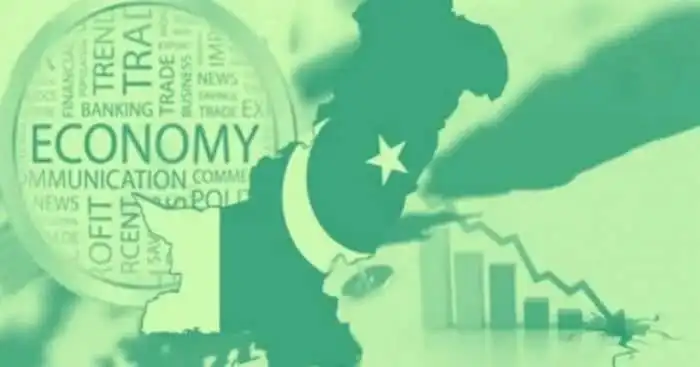
Pakistan is presently passing through a difficult and sensitive economic phase. Rising inflation, increasing cost of living, declining purchasing power, fiscal imbalances and continuous pressure on foreign exchange reserves have deeply affected both the common citizen and the business community. For ordinary households, managing daily expenses has become a serious challenge, while for businesses—particularly small and medium enterprises—high energy costs, heavy taxation, and policy uncertainty have reduced productivity and confidence.
The private sector, which is the backbone of any economy, is struggling due to inconsistent economic policies and frequent changes in regulations. Exporters are facing high input costs, delayed refunds and a lack of long-term incentives, making it difficult for them to remain competitive in the international market. At the same time, consumers are cutting back on spending, further slowing economic activity.
Despite these challenges, Pakistan’s economy still holds immense potential. The country is blessed with a young population, a strategic geographic location, and strong sectors such as agriculture, textiles, information technology, minerals and tourism. Unfortunately, this potential remains underutilized due to weak governance, lack of continuity in policies, and poor implementation of reforms. The issue is not the absence of resources, but the absence of effective planning and execution.
At this critical juncture, political and economic stability is essential. Investor confidence cannot be restored without policy consistency and clarity. Both local and foreign investors require a predictable environment where decisions are made on economic logic rather than short-term political considerations. Stability will allow businesses to plan, expand and create employment.
Controlling inflation must be treated as a national priority. Targeted relief measures for low- and middle-income groups, rationalization of energy tariffs, and strict monitoring of markets are necessary to protect purchasing power and social stability. Without easing the burden on citizens, economic recovery will remain incomplete.
Equally important is strengthening exports and promoting local industry. Competitive energy pricing, simplified tax structures, and faster clearance of refunds can provide immediate relief to exporters. Greater focus on value addition, innovation and technology-driven industries will help Pakistan increase foreign exchange earnings and reduce dependency on imports.
Improving the ease of doing business is another urgent requirement. Streamlining regulations, reducing bureaucratic hurdles, and ensuring transparency can significantly encourage investment. Public-private partnerships should be strengthened to accelerate development and improve service delivery.
Pakistan must also move away from excessive reliance on external borrowing. Sustainable economic growth can only be achieved by investing in productive sectors, expanding the tax base in a fair manner, and discouraging speculative and non-productive activities. Tourism and the minerals sector, if managed professionally, can play a transformative role in generating employment, attracting foreign exchange, and promoting regional development.
The current economic crisis is serious, but it is not irreversible. With honest leadership, institutional reforms, and a focus on productivity rather than populism, Pakistan can move towards stability and sustainable growth. The business community, including chambers of commerce, stands ready to support reform-oriented policies that create jobs, restore confidence and strengthen the national economy. What is required today is decisive action, transparency and a long-term vision for Pakistan’s economic future.
Opinions expressed in this article are the author’s own and do not necessarily reflect WNAM’s editorial policy.