
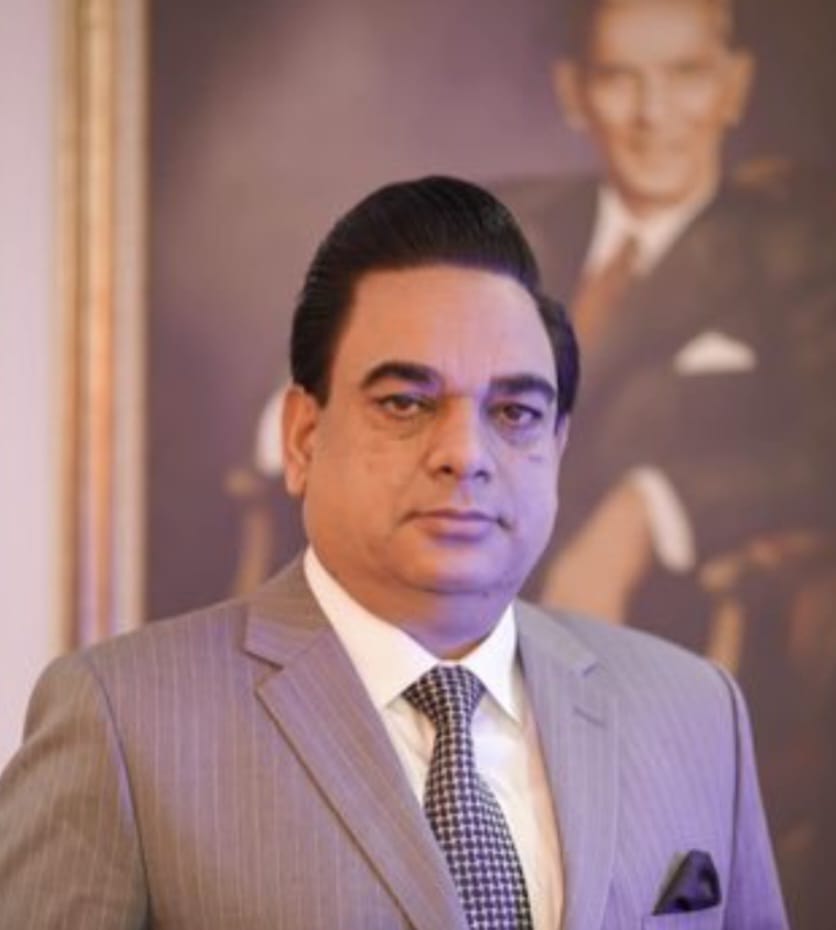
ISLAMABAD ( WNAM REPORT ): President of the Islamabad Chamber of Commerce and Industry (ICCI), Sardar Tahir Mehmood, has welcomed the federal government’s decision to substantially reduce Floor Area Ratio (FAR) charges for hotel developments in the capital, describing it as a “business-friendly and confidence-enhancing” initiative poised to accelerate stalled projects and attract further investment.
In a statement issued Tuesday, he emphasized that while the FAR relief for hotels is a timely and positive step, it is equally crucial that the government extend similar incentives to commercial buildings. “Both sectors were subject to increased FAR charges, yet only hotels have benefited so far. This selective approach risks creating structural imbalances and imposes undue pressure on the commercial construction sector,” he noted. Sardar Mehmood urged authorities to urgently review and rationalize FAR charges for commercial properties to restore equity, bolster investor confidence, and curb rising construction costs.
Highlighting the broader economic significance, he underscored that the construction industry is a key engine of Pakistan’s economy, driving growth across allied sectors such as cement, steel, tiles, electrical goods, and labor-intensive services, while generating substantial employment opportunities. He called for a consultative and stakeholder-driven approach to ensure ease of doing business, cost rationalization, and sustainable urban development.
Sardar Mehmood further stressed that Islamabad’s skyline, affordability, and demand for green spaces necessitate the promotion of high-rise development, akin to the urban signature skylines seen in other major cities of the world. He noted that such vertical growth is only feasible if the Capital Development Authority (CDA) actively encourages and facilitates high-rise construction, thereby supporting both aesthetic urban identity and strategic land use.
Reaffirming the chamber’s commitment, he stated that the ICCI will continue collaborating with policymakers to advance balanced, growth-oriented policies that safeguard investor interests and reinforce long-term economic stability.
ICCI President Applauds Reduction in Hotels’ FAR Charges, Seeks Similar Relief for Commercial Buildings
116