
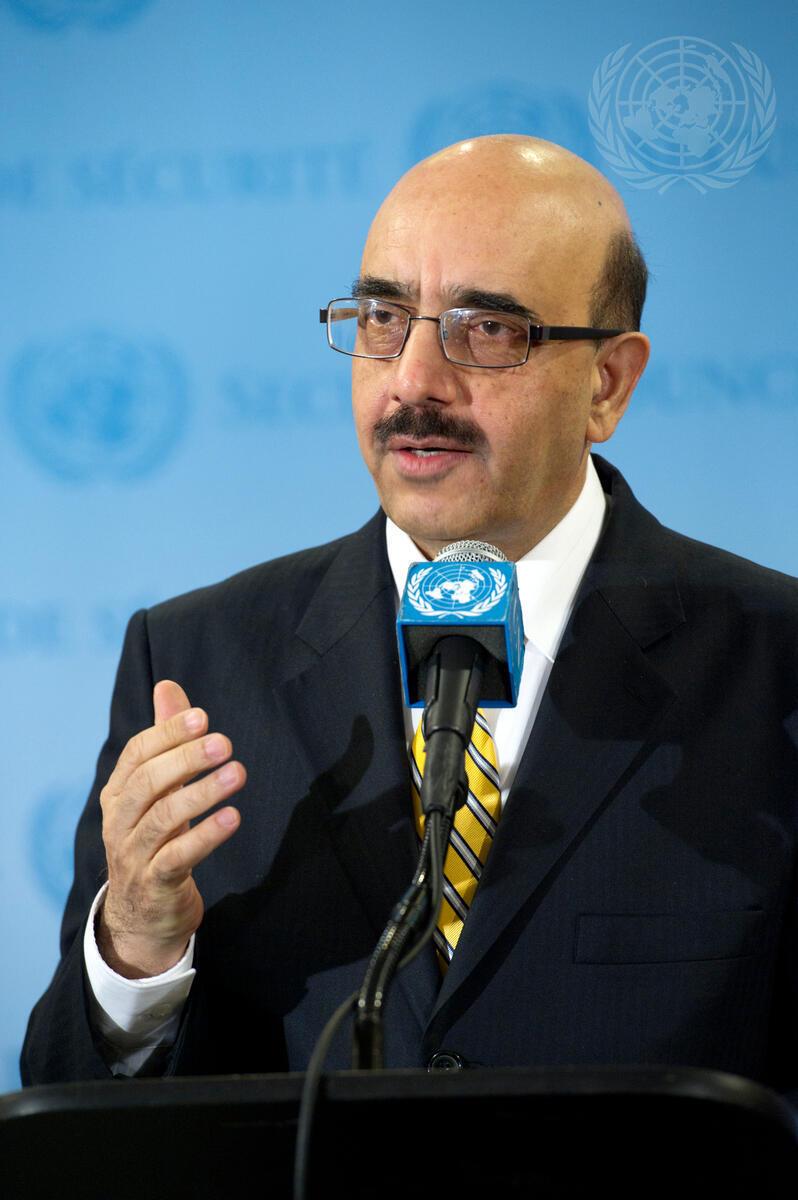
WNAM REPORT: Masood Khan, former Ambassador of Pakistan to the United States, China and Permanent Representative to the United Nations, as well as former President of Azad Jammu and Kashmir, has underscored that the recently concluded quadrilateral meeting in Islamabad marks only the initial phase of a complex and sustained diplomatic effort aimed at de-escalating the ongoing conflict involving Iran and the United States.
Commenting on the duration and outcome of the meeting, Khan noted that the session—lasting over ninety minutes—was consistent with expectations for a preliminary consultation. He emphasized that the engagement was designed to establish a framework and build foundational consensus among participating countries, namely Pakistan, Turkey, Saudi Arabia, and Egypt.
“This was a preparatory exercise,” Khan stated, adding that while the principal actors—Tehran and Washington—were not physically present, the participating states are actively facilitating communication on their behalf. “They are paving the way for direct engagement between the two sides, having already exchanged sensitive proposals.”
Khan revealed that United States had shared a 15-point proposal with Iran, while Tehran responded with five key conditions, with Pakistan acting as a conduit for these communications. He stressed that this role reflects Pakistan’s credibility and trust with both sides, positioning it as a central facilitator in the ongoing diplomatic process.
Highlighting the broader significance of the meeting, Khan described the composition of the forum as “strategically balanced,” combining influential Arab states with experienced non-Arab mediators. He noted that building regional consensus is critical to bridging the deep trust deficit between Washington and Tehran.
Despite ongoing diplomatic efforts, Khan cautioned that the situation remains volatile. He pointed to conflicting signals from both sides, including military mobilizations and strong rhetoric, describing the scenario as a “classic fog of war.” He noted reports of deployments such as the 82nd Airborne Division and escalating regional tensions as complicating factors.
“The immediate priority is a ceasefire or pause in hostilities,” Khan asserted, adding that continued military escalation undermines diplomatic space. He further stressed the importance of ensuring uninterrupted navigation through the Strait of Hormuz, calling it vital for global trade and energy security.
Looking ahead, Khan expressed cautious optimism that Pakistan-led mediation could eventually lead to direct talks between Tehran and Washington. However, he noted that such engagement would require prior agreement on fundamental issues and confidence-building measures.
He concluded by emphasizing that while the process may be gradual and complex, sustained diplomatic engagement remains the only viable pathway to de-escalation and long-term regional stability.