
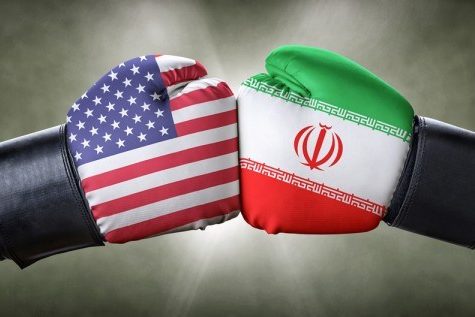
ISLAMABAD ( WNAM REPORT ): Former Ambassador of Pakistan to the United States, China and the United Nations, and former President of Azad Jammu and Kashmir, Sardar Masood Khan has said that the emerging Iran–United States understanding represents a significant diplomatic breakthrough that can help end a dangerous period of confrontation, reopen vital economic corridors, and create conditions for the resumption of comprehensive negotiations on Iran’s nuclear programme.
Speaking in a television interview, he said the agreement should be viewed as a framework understanding and roadmap for future negotiations, rather than a final settlement of all outstanding issues. He explained that the immediate objectives include formally ending the recent phase of hostilities, ensuring the reopening of the Strait of Hormuz, removing economic uncertainty affecting global markets, and restarting structured negotiations on nuclear and related issues.
Sardar Masood Khan noted that the resumption of diplomatic engagement would benefit both Iran and the United States by reducing tensions and restoring stability to a region that remains central to global energy supplies and international trade. He observed that one of the most important outcomes of the understanding is the reduction of economic stress caused by disruptions in maritime routes and the restoration of confidence in regional security arrangements.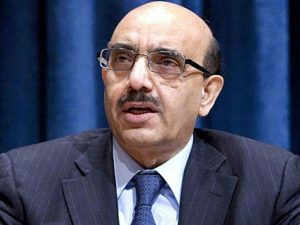
He stated that while both Tehran and Washington are likely to present the outcome as a strategic success to their domestic constituencies, the real achievement lies in preventing further escalation and creating a pathway toward peaceful dispute resolution. He added that behind-the-scenes diplomatic contacts had continued even during periods of heightened tension, helping preserve the possibility of a negotiated settlement.
Commenting on regional reactions, Sardar Masood Khan said that Israel’s response reflects concerns about the continuation of Iran’s political system and the direction of ongoing negotiations. He noted that recent military actions in southern Beirut appeared designed to complicate the diplomatic process and provoke reactions that could undermine the emerging understanding between Tehran and Washington. However, he praised the restraint shown by both Iran and the United States in preventing further escalation and keeping diplomacy on track.
He observed that the success of the agreement will ultimately depend on whether all parties respect its spirit and refrain from actions that could derail implementation. He cautioned that unresolved issues, including regional security concerns, missile capabilities, and broader geopolitical rivalries, will continue to pose challenges during the next phase of negotiations.
Discussing Israel’s domestic political environment, he said Prime Minister Benjamin Netanyahu faces growing pressure from political opponents and coalition partners who argue that key strategic objectives have not been achieved. According to him, these internal dynamics are influencing Israel’s regional posture and public messaging.
Concluding his remarks, Sardar Masood Khan said that Pakistan’s constructive diplomacy has once again demonstrated its value as a trusted interlocutor capable of facilitating dialogue between adversaries. He emphasized that the agreement has enhanced Pakistan’s international standing and reinforced its emerging role as a credible peacemaker committed to regional stability, conflict resolution, and diplomatic engagement.