
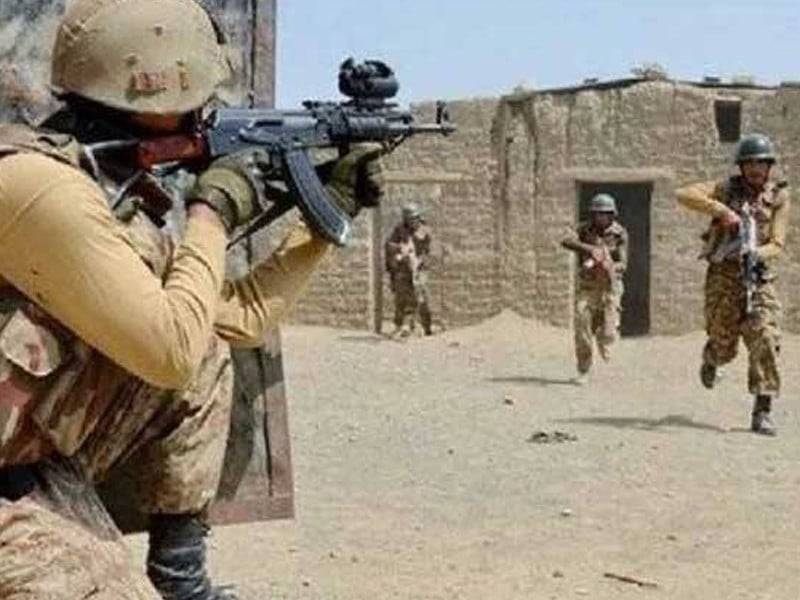
Islamabad ( WNAM REPORT): Pakistan witnessed a significant improvement in several key security indicators during October 2026, with terrorist attacks declining by 37 percent, deaths resulting from these attacks falling by 57 percent, and injuries decreasing by 71 percent compared with September. The improvement was particularly pronounced in Balochistan and mainland Khyber Pakhtunkhwa, while suicide attacks also declined substantially. However, an increase in kidnappings, particularly in Balochistan, remained a major area of concern.
According to statistics released by the Islamabad-based Pakistan Institute for Conflict and Security Studies (PICSS), the country experienced 143 terrorist attacks during October, compared with 226 in September. The decline reversed two consecutive months of increasing terrorist violence and marked a notable improvement in the security situation following September’s heightened level of attacks.
PICSS data showed that terrorist attacks claimed 111 lives in October, compared with 260 in September, representing a reduction of 57 percent. The number of people injured in these attacks dropped even more sharply, from 242 to just 69, a decline of 71 percent.
The improvement was also reflected in the overall human cost of violence. According to PICSS, terrorist attacks and security forces’ counterterrorism operations collectively resulted in 272 deaths and 71 injuries during October. Those killed included 53 security forces personnel, five peace committee members, 45 civilians, and 169 militants. The injured included 29 security forces personnel, 11 peace committee members, and 31 civilians.
A rolling 12-month comparison conducted by PICSS revealed several encouraging developments. Injuries resulting from terrorist attacks fell to their lowest monthly level in the past year. The combined number of injuries from terrorist attacks and security operations also reached a 12-month low, as did injuries among security forces personnel. The number of suicide attacks was jointly the lowest recorded during the same period. However, the number of militants killed, at 169, was also the lowest monthly figure in the past 12 months, reflecting a decline in militant fatalities.
Suicide attacks declined sharply during October, with PICSS recording only one such incident, compared with three in September. The October incident involved a vehicle-borne suicide attack but caused no fatalities or injuries. In contrast, the three suicide attacks recorded in September, including two vehicle-borne attacks, had resulted in 45 deaths and 138 injuries. Consequently, fatalities and injuries from suicide attacks both declined by 100 percent during October.
Security forces continued counterterrorism operations across the country. According to PICSS, these operations resulted in the killing of 156 militants and the arrest of seven suspected militants during October. Two security forces personnel and three civilians lost their lives during these operations, while two security forces personnel were injured.
Balochistan recorded one of the most significant improvements, with terrorist attacks declining by 46 percent, from 132 in September to 71 in October. Fatalities from terrorist attacks dropped from 136 to 44, representing a reduction of approximately 68 percent, while injuries declined from 63 to 37, a decrease of 41 percent. Separately, security forces’ operations in the province resulted in the killing of 79 militants. Three civilians lost their lives and two security forces personnel were injured during these operations.
Mainland Khyber Pakhtunkhwa, excluding the formerly federally administered tribal areas, also witnessed a substantial improvement. PICSS recorded 40 terrorist attacks in October, compared with 58 in September, representing a decline of 31 percent. Fatalities from these attacks decreased from 90 to 38, a reduction of approximately 58 percent, while injuries fell from 165 to 19, an improvement of 88 percent. Counterterrorism operations in the region resulted in the killing of 42 militants, while two security forces personnel lost their lives.
The merged districts of Khyber Pakhtunkhwa, formerly known as FATA, experienced a comparatively modest decline in terrorist violence. PICSS recorded 30 attacks during October, compared with 34 in September, a reduction of 12 percent. Deaths resulting from terrorist attacks declined from 33 to 25, while injuries increased slightly from 11 to 13. Security forces’ operations in these districts resulted in the killing of 35 militants.
Punjab witnessed two terrorist attacks during October, compared with none in September. These incidents resulted in four deaths but no injuries.
Sindh recorded no terrorist attacks during the month. However, counterterrorism operations in the province resulted in the arrest of seven suspected militants. Islamabad, Azad Jammu and Kashmir, and Gilgit-Baltistan also remained free of recorded terrorist attacks during October.
Despite the overall improvement, kidnappings emerged as a serious security concern, particularly in Balochistan. PICSS recorded 88 people kidnapped in terrorist incidents nationwide during October, compared with 72 in September, an increase of 22 percent. This was the highest monthly kidnapping figure recorded during the preceding 12 months. Balochistan accounted for 70 of these kidnappings, representing nearly 80 percent of the nationwide total. The increase suggests that, despite the reduction in attacks and casualties, kidnapping remained a significant tactic employed by terrorist groups.
While October’s figures indicate a significant month-on-month improvement, the longer-term security picture remains challenging. According to PICSS, Pakistan experienced 1,376 terrorist attacks during the first ten months of 2026. These attacks and security forces’ counterterrorism operations collectively resulted in 3,902 deaths, including 645 security forces personnel, 65 peace committee members, 595 civilians, and 2,597 militants.
Another 1,953 people were injured during the January–October period, including 639 security forces personnel, 62 peace committee members, 1,055 civilians, and 197 militants.
Compared with the corresponding ten-month period of 2025, the number of terrorist attacks increased by 53 percent, while the combined death toll rose by 36 percent.