
WNAM REPORT: Speakers emphasized that the principles of Prophetic diplomacy embodied in the Seerah of the Prophet Muhammad ﷺ offer an effective and practical framework for promoting peace, tolerance, mutual respect and international harmony amid today’s complex global challenges. These views were expressed by Dr. Muhammad Abdul Razzaq Aswad, a distinguished professor at Imam Abdulrahman Bin Faisal University, Dammam (Saudi Arabia) while addressing an international Seerah seminar held at Allama Iqbal Open University(AIOU).
The seminar was organized by the university’s Department of Seerah Studies under the title “Reflections on Prophetic Diplomacy in the Light of the Prophetic Seerah.” The event aimed to highlight the fundamental principles of Prophetic diplomacy and examine their relevance to contemporary international politics and diplomatic challenges.
In his keynote address, Dr. Muhammad Abdul Razzaq Aswad stated that the diplomatic strategy of the Holy Prophet ﷺ was founded on justice, ethical conduct, patience, dialogue and mutual trust values that are essential for achieving sustainable peace in the modern world. Citing various historical examples, he explained that the core objective of Prophetic diplomacy was the protection of human dignity and the promotion of global peace.
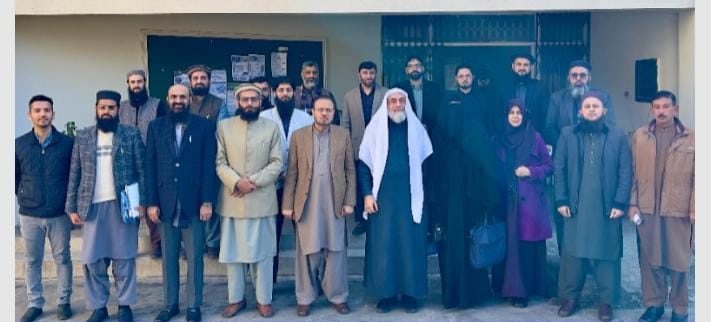
The opening remarks were delivered by Prof. Dr. Shah Moeen-ud-Din Hashmi, Chairman of the Department of Seerah Studies while the seminar was presided over by Prof. Dr. Shah Mohyuddin Hashmi. Dr. Hafiz Saeed-ur-Rehman served as the focal person for the event.
In his presidential address, Professor Dr. Shah Mohyuddin Hashmi remarked that the Seerah of the Prophet ﷺ is a comprehensive source of guidance not only for Muslims but for all humanity, and that the principles of Prophetic diplomacy can serve as a beacon for modern diplomatic institutions and global leadership.
The seminar was attended by a large number of faculty members, researchers, and students. A detailed question-and-answer session was held at the conclusion of the event during which participants demonstrated keen interest in the subject.
Speakers call for adopting Prophetic diplomacy as a model for the modern world
3