
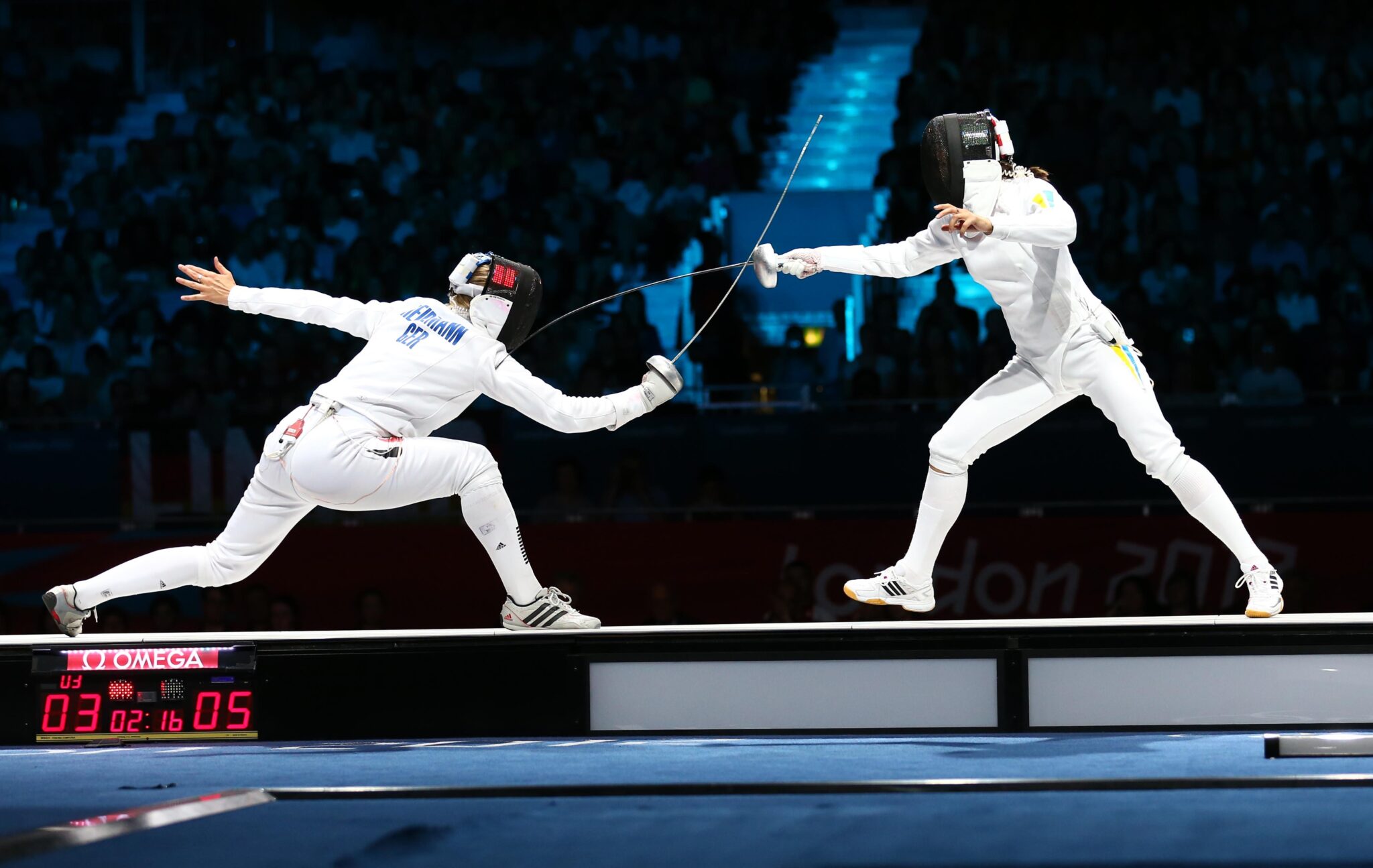
ASTANA ( WNAM MONITORING): Kazakhstan hosts a stage of the International Fencing Federation (FIE) Epee World Cup for the first time on March 26-29, bringing one of the sport’s premier global tournaments to the country and drawing a field of more than 500 athletes from 96 countries.
According to Yuliya Kurbanova, PR director of the Kazakh Fencing Federation, the event marks a major milestone, placing Kazakhstan among countries such as Switzerland, Germany, the United Arab Emirates and Canada that host World Cup stages.
“This is not a one-time decision but the result of consistent work over several years. It reflects strong trust from the FIE and gives a serious boost inside the country, as our athletes will compete at home against the world’s elite,” Kurbanova said in an interview.
“It is also about positioning, as Kazakhstan is becoming a venue where the global season takes place. We are also the first country in Central Asia to host a tournament of this level,” she added.
Kurbanova noted that hosting the World Cup could significantly increase interest in fencing among young people.
“Fencing is difficult to explain. It needs to be seen. When you watch the speed, distance and tension live, everything becomes clear in seconds. However, the tournament itself is only a tool. The real effect appears when such events are integrated into broader work through media, educational initiatives, sports schools and regional federations,” she said.
The federation plans to use the tournament to support long-term development, including attracting more athletes, strengthening regional schools and improving the national training system.
National fencing on the rise
Kazakh fencing is currently showing steady growth. In 2024, the men’s epee team qualified for the Paris Olympic Games after a difficult selection cycle.
During that period, the team won silver at the Asian Championship, bronze at the final World Cup in Tbilisi, and historic gold at the World Cup in Istanbul. In 2025, Kazakhstan won its first World Championship bronze medal in team epee.
“Continuity is the key factor for us. The core of the team – Elmir Alimzhanov, Ruslan Kurbanov, Yerlik Sertay and Vadim Sharlaimov – is now joined by young athletes, and stronger internal competition is bringing international results. Progress among juniors and cadets shows we are no longer catching up but beginning to compete,” Kurbanova said.