
WNAM REPORT: The Indonesian government is collaborating with the United Nations Children’s Fund (UNICEF) to accelerate the fulfillment of children’s rights in Indonesia.
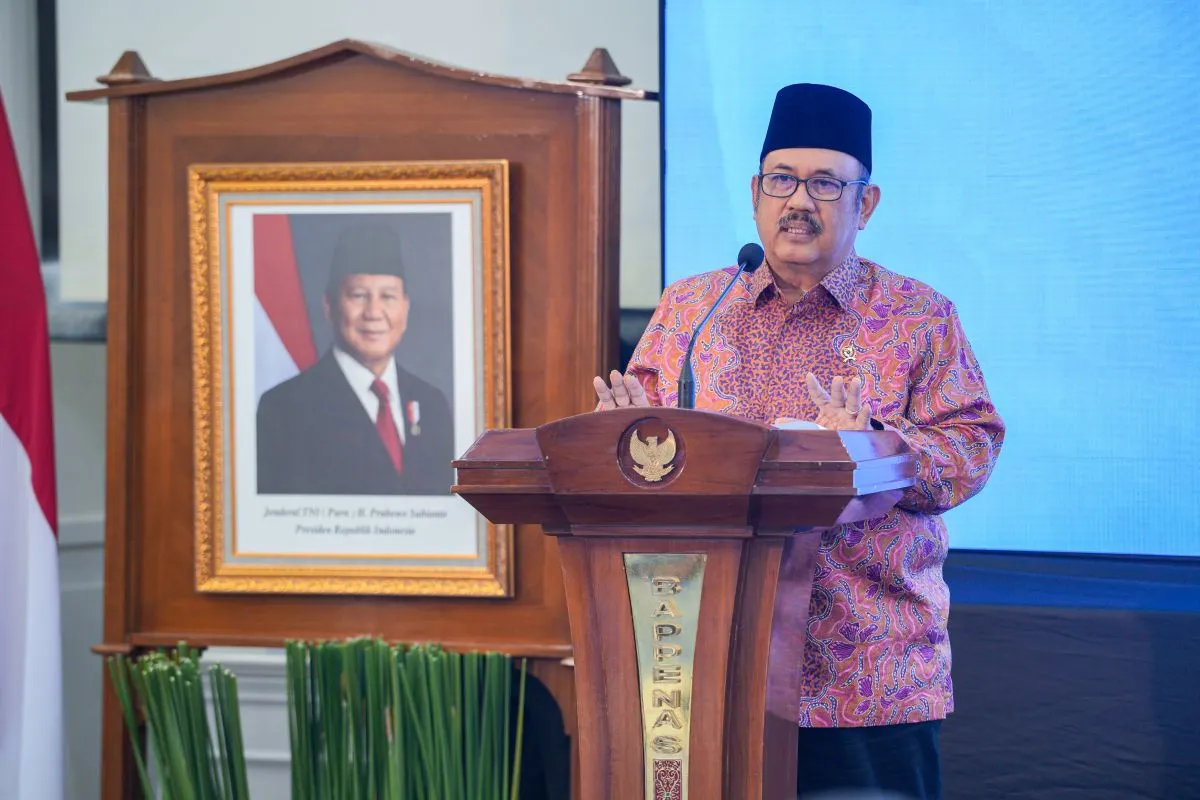
“No child should be left behind. This has become the guiding principle in ensuring that every Indonesian child grows and develops optimally,” Minister of National Development Planning Rachmat Pambudy said in a statement on Thursday (April 23).
He made the remarks at the launch of the Country Programme Action Plan (CPAP) for the 2026–2030 cooperation between the Indonesian government and UNICEF.
The strategic partnership has been ongoing since 1966. The total budget for the 2026–2030 period is expected to reach US$131 million, benefiting Indonesian children through expanded access to quality essential services and strengthened national systems.
The implementation of the 2026–2030 CPAP will focus on six main pillars: health, nutrition, education, climate and environmental action, water sanitation and hygiene (WASH), and child protection and social policy.
According to Pambudy, the cross-sectoral strategy will emphasize innovative solutions and digital transformation, promote gender equality, strengthen resilience to climate and disaster impacts, and improve inclusion for children with disabilities.
“As global citizens, we must also develop Indonesia’s Human Capital Index indicators with support from UNICEF. Thank you to UNICEF for preparing the 2026-2030 Country Programme Action Plan. This document will serve as a guideline for building the Golden Indonesia generation of 2045,” he remarked.
His office, along with the Ministry of Home Affairs, will coordinate across ministries and agencies at the national level, as well as regional governments in formulating an annual work strategy with UNICEF.
Monitoring and control will also be carried out to ensure alignment with development priorities and the achievement of cooperation targets.
At the national level, UNICEF will collaborate with ministries and agencies to support the formulation of policy concepts and regulations, while strengthening the overall program implementation system across all regions.
At the regional level, UNICEF works with priority provincial and district governments within their respective regions to strengthen regional capacity in planning, budgeting, and providing quality services for children.
These provinces include West Java, Central Java, East Java, Maluku, North Maluku, East Nusa Tenggara, Papua, West Papua, Southwest Papua, Highland Papua, South Papua, Central Papua, and North Sumatra.
UNICEF Indonesia Representative Maniza Zaman said her organization has worked in Indonesia for more than 75 years to advance children’s rights.
She also noted that Indonesia has made significant progress in fulfilling children’s rights.
Maniza explained that the 2026–2030 CPAP will focus on ongoing challenges and emerging issues affecting children, and will contribute to national priorities and the Golden Indonesia 2045 vision.
“By strengthening this long-term partnership, we can build a future in which every child grows up healthy, educated, protected, and free from poverty and violence,” Maniza said.