
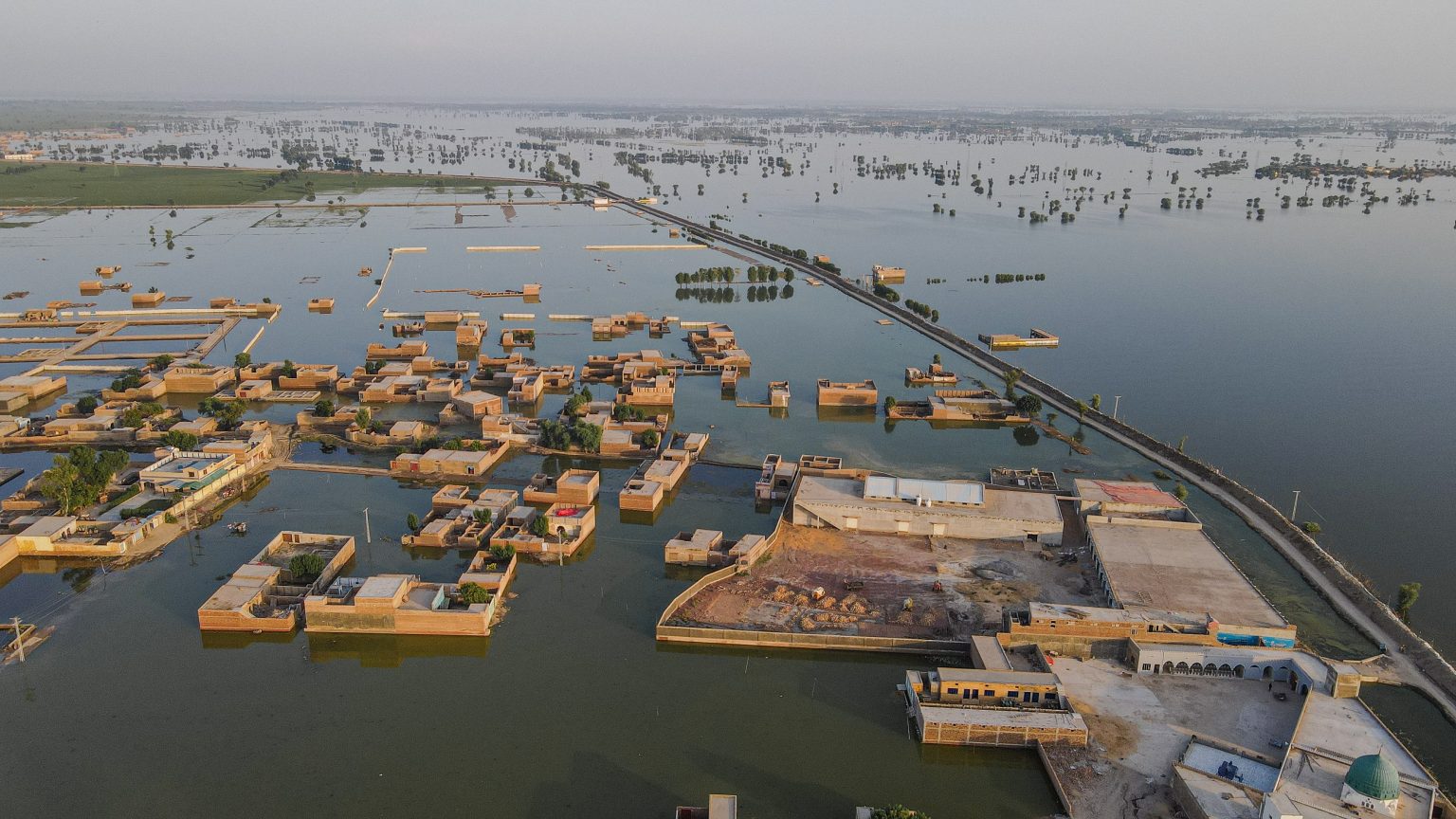
Today the phrase “extreme heat” is used to refer to the “new normal” in climate science. The Ministry of Climate Change is saying more heatwaves are occurring in Pakistan and they are also increasing in intensity, frequency and duration. Adapting to heatwaves has become imperative, says Ministry spokesperson Mohammad Saleem Shaikh, to safeguard people and key sectors like the water, food and energy sectors. This challenge is even more important for Pakistan because it accounts for less than one per cent of the GHGs emissions, but is one of the countries that are most vulnerable to climate changes.
The warning from the Pakistan Meteorological Department (PMD) for a severe heatwave in different parts of Pakistan doesn’t represents an ordinary weather alert. It’s a reminder that Pakistan is facing one of the most noticeable and prevalent effects of climate change. Unlike normal, heatwaves are not just a meteorological matter in all Provinces as temperatures are forecasted to stay much higher than the normal. They are now having a growing impact on public health and economic security, food security, energy systems and national development.
In Karachi; heat wave of 2015 was one of the most fatal weather related disasters in the country’s history as it had claimed more than 1200 lives in a couple of days. Hospitals were overwhelmed and many people were not aware of the symptoms and risks of heat-related illnesses. The tragedy also pointed to the ability of extreme temperatures to rapidly turn into a public health crisis.
The danger is high for members of the vulnerable groups, especially. Children, Elderls, pregnant women and people with chronic diseases are at higher risk when temperatures. Millions of Pakistanis who are engaged in outdoor jobs. Farmers, construction workers, traffic wardens, sanitation workers, delivery riders and daily labourers work for extended periods of time in direct sunlight. These workers have no option but to work while experiencing hot weather and it can be dangerous. As the temperature goes up, so do the potential causes of heat injury, including heatstroke and dehydration, exhaustion, and cardiovascular problems.
Economic fall-outs are also alarming. The ILO has issued warnings on heat stress many times before, and the impact of heat stress on labour productivity is especially high in countries where a high proportion of the workforce work outdoors. Heat in the range of 35°C-40°C has an impact on physical performance which causes a reduction in working hours and productivity. Many millions of people are working in the agriculture, construction, transportation and municipal sectors in Pakistan. The losses in productivity in these sectors have an impact on household incomes and economic growth.
Agriculture is still one of the most vulnerable sectors with regards to extreme heat. It plays a major role in employment, food security and exports. Wheat performance drops under high temperatures (30°C to 35°C) during the grain-filling period. Excessive high temperatures during the flowering stage of rice can have a negative impact on production, and high temperatures above 40°C can impact yield and fibre quality of cotton. In the year 2022, the wheat crop was bound to be affected by the unprecedented heat wave in Punjab and Sindh, due to the high temperatures observed during the season, which was of concern for both wheat production and food availability. These disruptions have far-reaching consequences that extend beyond the agriculture sector to encompass food prices, inflation, and economic stability.
This is because heat waves are putting additional strain on Pakistan’s energy networks. With the increasing temperatures, households, businesses and industries use more air conditioning, cooling equipment, and water pumps. This increase in electricity use adds more stress to the power generation and transmission grid. Higher energy use will increase energy costs and may lead to energy shortages during summer peak periods. Meanwhile, extended exposure to excessive heat can cause damage to roads, railway tracks and power lines, leading to costly repairs and maintenance.
Water scarcity is also one of the key aspects of the challenge. Pakistan is already one of the water stressed countries of the region. As temperatures climb, more water evaporates, more water is needed, and there is more stress on ag and urban water supplies. Heatwaves can thus exacerbate existing environmental and resource-management issues. This is a matter of great concern for a country which still heavily relies on agriculture and water availability.
Notwithstanding these obstacles, Pakistan has made significant strides in enhancing the climate preparedness. The Heatwave Management Plan for Karachi has been created following the tragedy of 2015 and has been referred to as a good model for preparedness that can help minimize the loss of life and improve response to emergencies.
But with climate change comes a need to move away from reactive responses to resilience. Extreme heat exposure is a growing concern for vulnerable countries, which are investing more and more in Heat Action Plans, cooling centers, climate-resilient infrastructure, urban greening projects and workplace safety measures. The measures not only save lives but also limit economic losses from extreme weather events. This requires Operational preparedness at all level to ensure its respective Security.
Heatwaves no longer have to be considered as short-term seasonal events. They are becoming a more and more important determinant of public health, economic productivity, food security and resource management. Pakistan has already shown itself to be keen to enhance preparedness and to adjust to the new climate facts. The country can strengthen its efforts on resilience and place sustained investment on resilience to protect its people and safeguard development gains.
Heatwaves are set suspected to appear in the future. However, the influence they will have will depend on the decisions made today. This is not only a requirement for the environment, it is also a preparation for a future environmental threat .it’s an investment in Pakistan’s stability, prosperity and welfare in the long term. ( Opinions expressed in this article are the author’s own and do not necessarily reflect the editorial policy of WNAM).
The author is: A Strategic Studies student at National Defence University with research interests in emerging technologies, strategic affairs, and geopolitical developments. She has gained research and field exposure through internships and projects with the Institute of Regional Studies, Punjab Police, and Defence Export Promotion Organization. Her work focuses on the evolving dynamics of technology, security, and modern conflict in South Asia.