
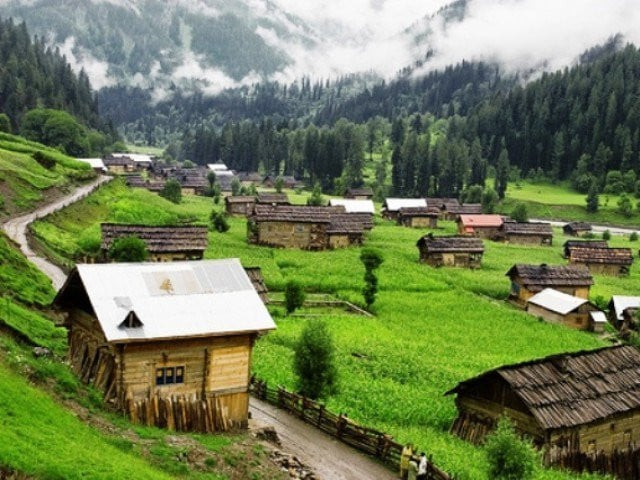
Kashmir is too often seen through the lens of conflict, resolutions, and political statements. Yet Kashmir is not merely a dispute—it is a living civilisation shaped by colour, culture, flavours, traditions, and resilience. It is time we present to the world the Kashmir that breathes through its mountains, reflects in its lakes, and speaks through its rich cultural heritage.

Shumaila Sddiqui
By coincidence, I visited Kashmir twice in a single month. My first visit was as Media Coordinator with the UK Media Cricket Club, where a friendly match was held with the Kashmir Press Club. Surrounded by lush green grounds, shining sunlight, and majestic mountains, the event was more than just a game—it was a dignified and positive expression of solidarity on 5th February. It reflected a softer image of Kashmir, where sports, culture, and engagement spoke louder than political slogans.We were honored to be officially declared State Guests by the Prime Minister of AJK, Faisal Rathore.
My second visit was for an Overseas Conference that brought together successful Kashmiri businessmen from around the world. These are individuals who are not only sending significant remittances to Pakistan but are also carrying Kashmir’s name, culture, and identity proudly into countries such as the United Kingdom and beyond. They have built successful lives abroad while remaining deeply connected to their roots.
The presence of the President Sardar Tahir Mehmood and executives of the Islamabad Chamber of Commerce & Industry at the conference highlighted an important shift in thinking: Kashmir must be viewed not only emotionally or politically, but economically. If overseas Kashmiris, local entrepreneurs, and national business institutions collaborate on a unified platform, the region can unlock immense potential in tourism, textiles, handicrafts, agriculture, and the food industry.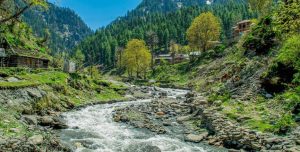
A strong economy strengthens a narrative. Overseas conferences should not be seen merely as ceremonial gatherings for awards; they are powerful platforms for networking, investment, and strategic partnerships. With vision and continuity, such initiatives can directly benefit Kashmir’s local economy—creating industries, generating employment, and attracting international collaboration.
Kashmiri cuisine, particularly the traditional Wazwan, holds global culinary value. Kashmiri embroidery, shawls, and traditional attire represent not just culture but export potential. With proper branding and international exposure, these products can enter European and Middle Eastern markets, providing sustainable livelihoods for local artisans. Similarly, structured and safe tourism development can transform Kashmir’s valleys into hubs of economic activity rather than merely scenic destinations.
In many cities across the United Kingdom, the Mirpuri language echoes through neighborhoods—a testament to a strong and united diaspora. One of the defining traits of Kashmiris is collective upliftment: when one person settles abroad, they create pathways for family and community members to follow. If this spirit of unity is strategically aligned with economic planning, it can redefine Kashmir’s future.
The world must see more than a political image of Kashmir. It must see a culturally vibrant, economically emerging, and socially resilient region. Culture wins hearts; economic strength builds credibility. When these two forces move together, they do more than change perception—they shape destiny.
Kashmir is not just a territory; it is an emotion. And when that emotion is presented through the power of culture and economic vision, it has the ability not only to transform narratives—but to transform futures.