
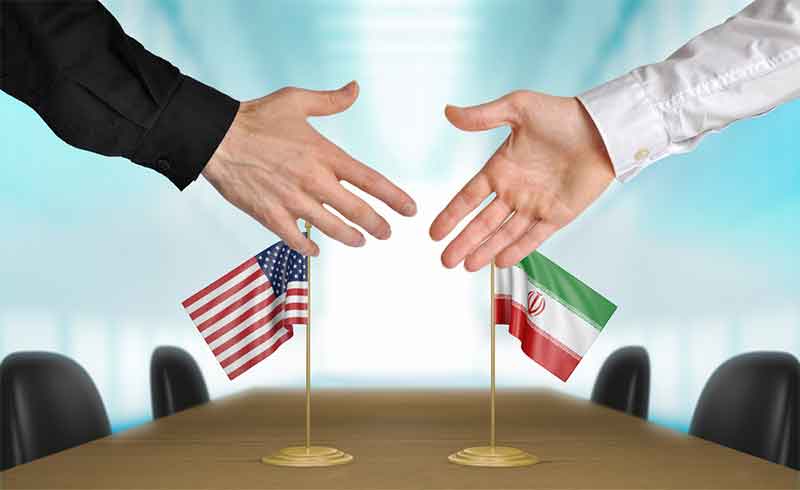
Former Ambassador of Pakistan to the United States, China and the United Nations, and former President of Azad Jammu and Kashmir, Sardar Masood Khan has said that the emerging Iran–United States Memorandum of Understanding (MOU) represents far more than a ceasefire arrangement, offering an opportunity to transform a fragile diplomatic breakthrough into a comprehensive framework for long-term regional stability in West Asia.
In an op-ed published in Al Jazeera Arabic, he observed that the simultaneous announcement from Islamabad, Washington and Tehran regarding the readiness of the MOU for electronic signing marks the culmination of months of intensive diplomacy led by Pakistan with the support of regional and international partners. He noted that the positive response from global capitals and international markets demonstrates growing confidence in the prospects of peace and economic stability.
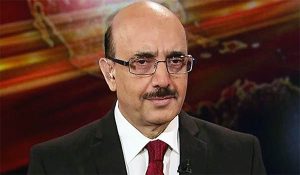
Sardar Masood Khan
Sardar Masood Khan stated that Pakistan successfully maintained the confidence of both Tehran and Washington throughout a difficult mediation process, while working closely with Qatar, Saudi Arabia, Oman, Egypt, Türkiye and China. He particularly acknowledged Qatar’s role in bridging differences on some of the most sensitive provisions of the agreement, describing the collective effort as a landmark achievement in contemporary diplomacy.
He explained that the agreement is expected to facilitate the reopening of the Strait of Hormuz, restore full access to the Persian Gulf, remove restrictions affecting maritime commerce, and contribute to the stabilization of global energy markets. However, he cautioned that the most challenging phase still lies ahead, as negotiators must address complex issues related to Iran’s nuclear programme, sanctions relief, verification mechanisms, frozen assets, and broader regional security concerns.
According to him, the sustainability of the agreement will depend on domestic political support in both countries, particularly in the United States, where legislative and political debates could complicate implementation. He also warned that spoilers could attempt to derail the diplomatic process, especially amid continuing tensions in Lebanon, Gaza, and other regional theatres.
Sardar Masood Khan observed that while improved relations between Washington and Tehran could reduce tensions involving regional actors and lower the risk of wider conflict, they would not automatically resolve the longstanding political and economic challenges facing the region. He emphasized that separate political settlements would still be required to address conflicts in Lebanon and Palestine.
He further noted that Gulf states have borne significant economic and security costs during the conflict, despite not being direct participants. The restoration of trade routes, investor confidence, energy flows, shipping operations, and regional connectivity, he said, will require sustained political commitment and coordinated economic recovery efforts.
Highlighting another often-overlooked dimension, he stressed the need to address environmental damage caused by the conflict, including threats to maritime ecosystems, fisheries, coral reefs, and coastal infrastructure in the Persian Gulf and the Gulf of Oman.
Concluding his remarks, Sardar Masood Khan called for the establishment of a **new regional security architecture for West Asia**, encompassing maritime security, protection of critical energy infrastructure, crisis communication mechanisms, counterterrorism cooperation, environmental protection, and economic connectivity. He emphasized that Pakistan and its partners should move beyond crisis mediation and work toward institutionalizing a regional compact capable of preventing future conflicts, arguing that lasting peace will ultimately depend not on a single agreement but on the creation of durable mechanisms for regional cooperation and collective security.