
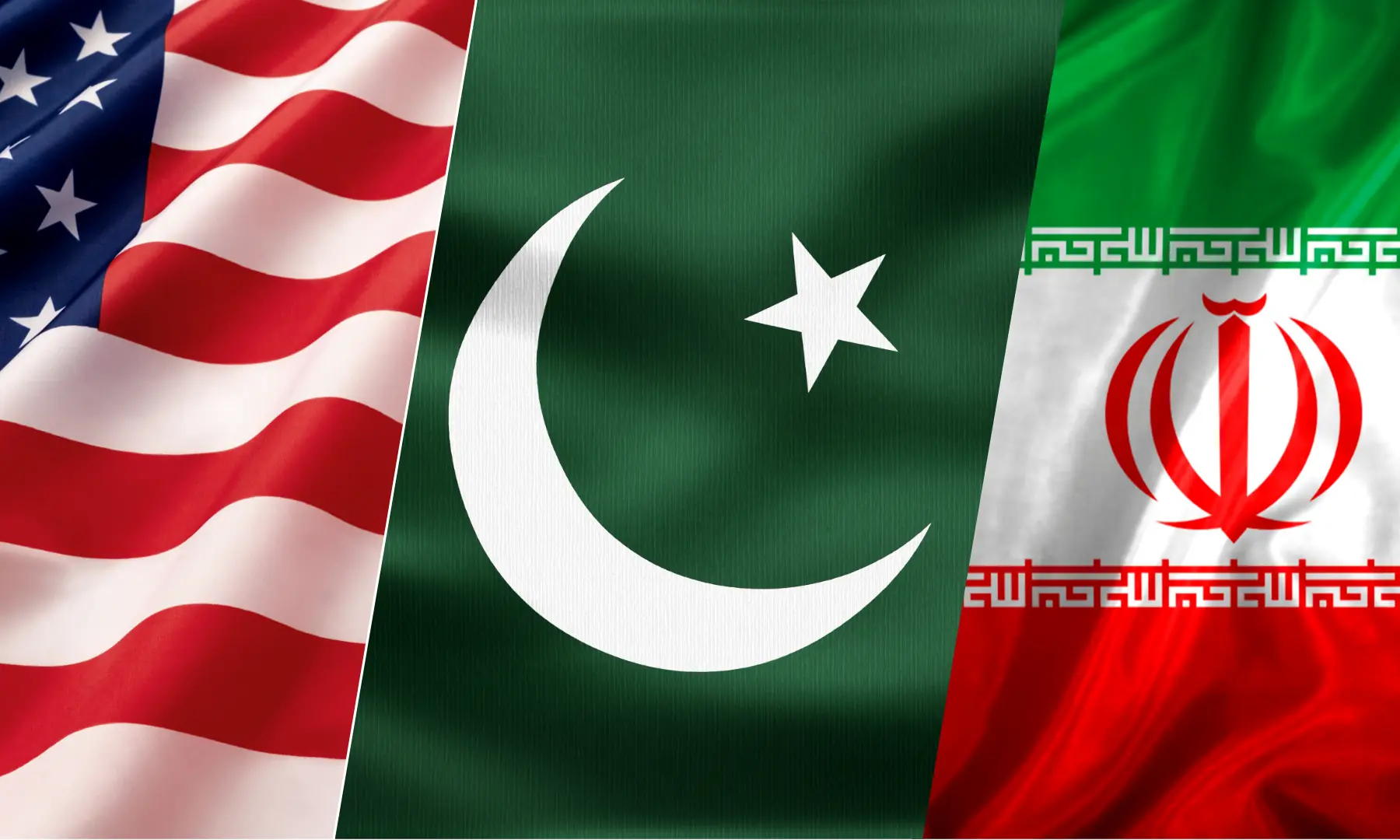
At a time when national security is paramount, Pakistan has reminded the world that responsible diplomacy is as important as deterrence. Our nuclear capability provides the ultimate shield, and the gaps identified last May are being addressed, yet the greatest strength lies in leveraging that security for peace. The United States–Iran war, now in its seventh week, has killed thousands and shaken global markets. By hosting negotiations in Islamabad, Pakistan has turned its hard won security into a platform for peace.
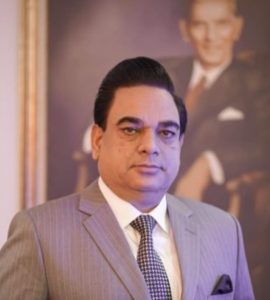
Sardar Tahir Mehmood
Pakistan’s role as mediator: Prime Minister Shehbaz Sharif built trust with both Washington and Tehran. On April 7 he announced a ceasefire and invited delegations to Islamabad. Analysts note that Pakistan has been reaching out to the Trump administration while maintaining a functional relationship with Iran and cultivating ties to regional powers; the result is that Islamabad is the only broker both sides can trust. The capital was placed under unprecedented lockdown, with thousands of paramilitary and army troops deployed, as Vice President JD Vance and his team flew in. Pakistan’s mediation signals that our nation, once seen as peripheral, now punches above its weight in global diplomacy.
Leadership that bridged the divide: Behind the scenes, the security establishment made diplomacy possible. Field Marshal Asim Munir spent the night coordinating with U.S. Vice President JD Vance, special envoy Steve Witkoff and Iranian Foreign Minister Abbas Araqchi, crafting a two step plan that would reopen the Strait of Hormuz and lead to a broader settlement. Such tireless engagement from the Chief of Defence Forces underscores how Pakistan’s military leadership is using its authority to build peace rather than just fight wars. Deputy Prime Minister and Foreign Minister Ishaq Dar has also kept diplomatic channels open, pledging that Pakistan will continue to facilitate dialogue and maintain the fragile ceasefire. Their combined efforts ensure that security and diplomacy move in lockstep.
Honouring Iran’s resilience: Iran enters these talks scarred by war yet remarkably unbowed. Analysts point out that Iran is a civilisation that stretches back nearly 6,000 years, with a cultural and ideological foundation that prizes endurance and unity. Its decentralised leadership and layered national security structures mean that even the loss of senior leaders does not paralyse the system. This institutional depth, coupled with a population bound together by faith and nationalism, has allowed Iran to absorb immense shocks. Acknowledging this resilience does not mean overlooking Iran’s red lines—its delegation demanded compensation for wartime damage and the release of frozen assets when meeting with Shehbaz Sharif—but it does mean recognising that a proud nation will only accept a deal that respects its sovereignty.
Recognising America’s willingness to talk: The United States deserves credit for coming to the table. Vice President JD Vance left Washington expressing optimism, saying the negotiations “are going to be positive” and that Washington was willing to extend an open hand if Iran negotiated in good faith. He also signaled that the U.S. would not be manipulated. For an administration that had threatened strikes on Iranian infrastructure days earlier, agreeing to direct talks in Islamabad is a significant step. It acknowledges that war has yielded diminishing returns and that diplomacy—however messy—is the only path to lasting security.
Why the world needs peace: The cost of continued conflict is not abstract. Closure of the Strait of Hormuz has halted 20% of global oil and liquefied natural gas supplies, triggering what the International Energy Agency calls the worst energy disruption in history. The war has removed about 400 million barrels of oil from the market, driving prices up by roughly 50% and pushing countries from Thailand to Sri Lanka to ration fuel. Fertiliser shortages threaten to disrupt global food supplies. These cascading crises underscore why the ceasefire talks matter: reopening the strait and ending the war would provide relief to economies battered by the energy shock and allow oil, gas and fertiliser shipments trapped on hundreds of tankers to flow again. Only a durable peace can prevent lasting scars on global supply chains and energy markets.
Toward a just and lasting settlement: For Pakistan, the negotiations are not about siding with either party but about safeguarding our own people. A successful settlement would stabilise trade routes, curb inflation and restore confidence in global markets. As Shehbaz Sharif said, the next phase is a make or break moment requiring courage and flexibility. Iran’s resilience and America’s readiness to talk should be matched by compromise. Pakistan has shown that with a strong deterrent, steadfast leadership and diplomatic creativity, even bitter enemies can be brought to the table. Now all parties must seize this chance, maintain the ceasefire and work toward a peace that honours dignity and justice for all. (The author is: President Islamabad Chamber of Commerce and Industry)