
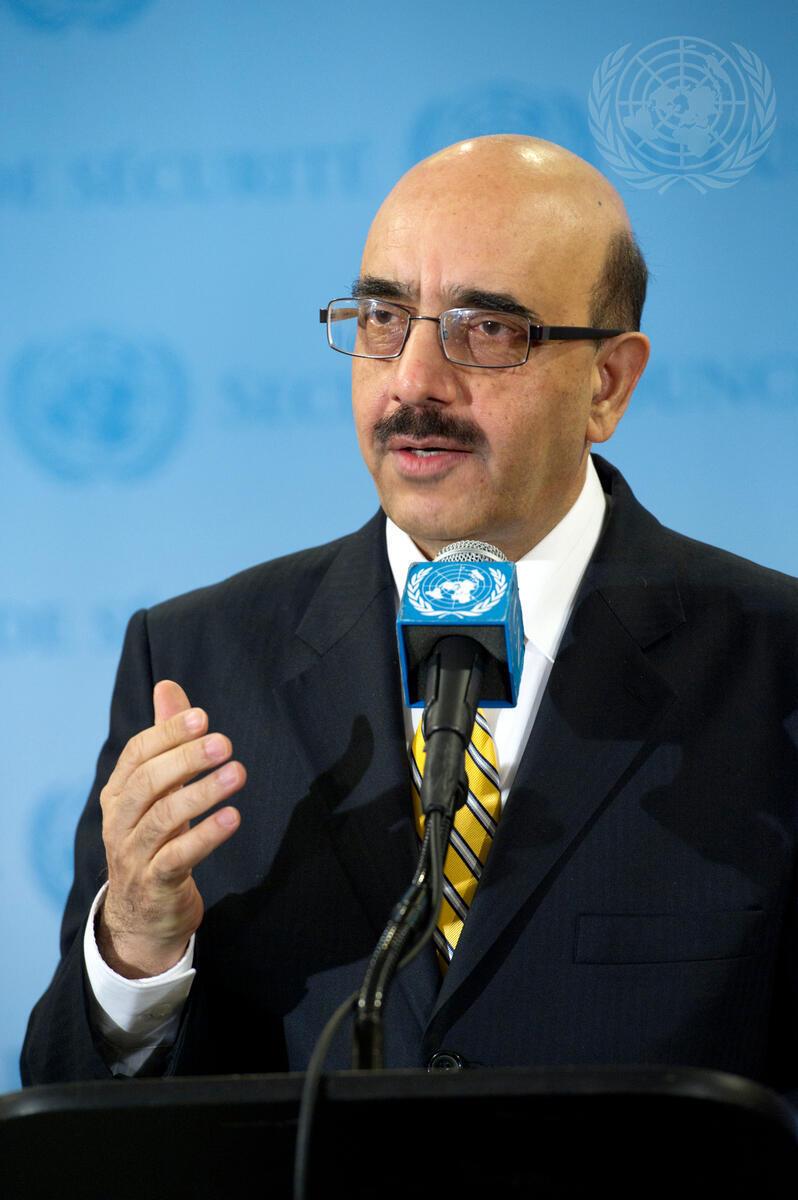
ISLAMABAD ( WNAM REPORT ): Masood Khan, former ambassador to the United States, China and the United Nations, and former President of Azad Jammu and Kashmir, has described the recent Islamabad talks between the United States and Iran as a landmark diplomatic breakthrough, noting that despite intense pressure and unresolved disputes, both sides chose dialogue over escalation.
Reflecting on the 21-hour marathon negotiations, Ambassador Khan stated that Pakistan’s facilitation enabled meaningful engagement between Washington and Tehran, even as critical disagreements persisted. He noted that while both sides issued positive statements and maintained a constructive tone, two key issues— the nuclear framework and the governance of the Strait of Hormuz—emerged as major sticking points.
He emphasized that the talks did not collapse, nor did either side signal a return to full-scale conflict. Instead, a temporary ceasefire remains in place, providing a fragile but crucial window for continued diplomacy. “This itself is a success,” he remarked, highlighting that both parties departed Islamabad on a more positive footing than when they arrived.
Ambassador Khan cautioned, however, that parallel developments could undermine progress. Statements regarding a potential blockade of the Strait of Hormuz and threats to target critical Iranian oil infrastructure risk escalating tensions. He noted that such actions could trigger wider conflict, deepen the global economic crisis, and draw in major powers, including China, given its significant energy interests in the region.
He observed that both the United States and Iran perceive themselves to be negotiating from positions of strength—Washington due to its military impact, and Tehran due to its resilience and strategic leverage in the region. This dynamic, he explained, has made compromise more difficult, with both sides reluctant to concede ground.
Ambassador Khan also highlighted the broader geopolitical complexities, including external influences and ongoing regional conflicts, particularly in Lebanon, which continue to cast a shadow over the negotiations. He warned that any escalation in these theatres could derail diplomatic efforts.
Despite these challenges, he underscored Pakistan’s continued commitment to facilitating dialogue and reducing tensions. “Pakistan will remain engaged, using its established channels to bring both sides back to the negotiating table and narrow their differences,” he said.
Drawing a historical parallel, Ambassador Khan cautioned that any move toward blockade or direct confrontation could mirror crises of the Cold War era, with potentially far more devastating consequences in today’s context.
Concluding his remarks, he reaffirmed that Pakistan’s role has been widely recognized and appreciated globally. While the path ahead remains uncertain, he expressed cautious optimism that sustained engagement, supported by responsible leadership, can prevent escalation and pave the way for a durable peace.