
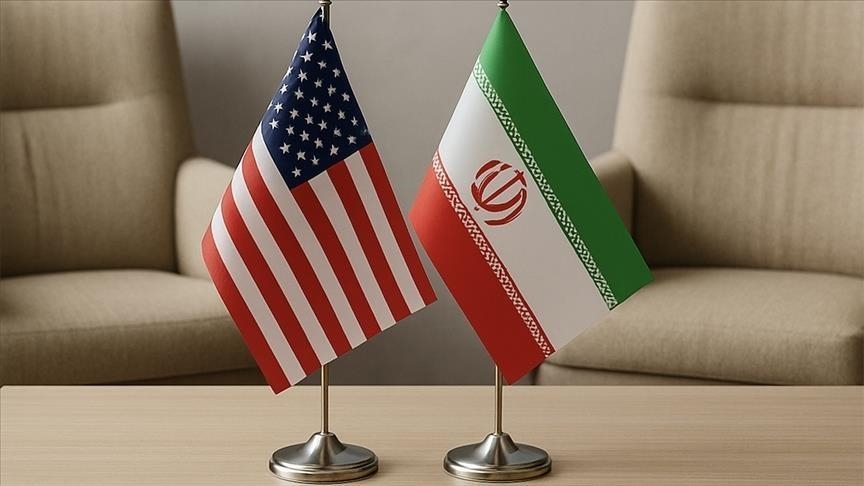
A U.S.-Iran peace deal that is expected to happen in the coming weeks is being sold as a diplomatic triumph and a harbinger of regional peace. It’s an important victory in the sense it’s a step to ease tensions, but what is not quite clear is whether it’s an American victory or Iran has already won the more important one: psychological and strategic.
In international politics, there are some times when you don’t win battles by taking territory or by firing guns. The greatest progress can occur in the area of perception, resilience and political messaging. In this regard, Iran seems to have come out of the clash with a vengeance.
The strategy of the United States for years has been one of maximum pressure, with economic sanctions, diplomatic isolation and military deterrence. The goal was to compel Iran to change its actions and cut its regional influence, as well as to make significant concessions on its strategic programs. Despite the adverse economic conditions, however, Iran’s political system and regional alliances survived, and its leadership has been able to withstand external pressures. For many in the region, that the talks are happening now are a sign that Iran managed to withstand the pressure campaign.
This perception matters. Psychology is often the power to political power in international relations. Iran now has a way to tell its domestic population and regional allies that it’s not inferior and was able to hold off the mightiest power on earth and eventually put Washington back at the negotiating table. The reality or not of such a story bolsters Iran’s perception as a tough state that can stand firm in the face of extreme pressure.
In the United States, however, a perception challenge might be encountered. Despite its military and economic advantage, numerous Iran issues have yet to be resolved by this country. But it is not American’s strategic defeat; it is an indicator that victory through force is not always a victory of the political kind. In today’s geopolitical landscape, influence is not determined solely by its strength; it has to be the means of transforming that strength into lasting political outcomes.
One forecast is that Iran will try to use this psychological success in negotiations for more sweeping successes in its diplomacy. It might seek sanctions relief, more advanced economic cooperation with regional and global powers and more acknowledgement of its Middle East affairs role. The regional balance of influence may be changing slowly, which, if effective, will be the first agreement of its kind.
These developments are something to consider for Pakistan. Pakistan has always believed in dialogue, peaceful coexistence and diplomacy to resolve regional tensions. De-escalation of the US-Iran tensions could provide better stability in the wider region, less volatility in the energy markets and new options for economic cooperation. Pakistan is neighbouring country with a keen concern for peace in the region, so any arrangement that reduces the possibility of conflict will prove to be beneficial for Pakistan.
But the agreement’s future is far from certain. Both nations are still deeply distrustful of one another, and tensions over issues of security, sanctions and strategic programs have not been eliminated. Progress could easily be lost if the talks collapse. So, there should be a wary optimism.
But one thing seems more likely than ever: Iran may have accomplished something it seemed impossible for it to do. It has endured continued pressure and can be seen as resisting and resilient without any fundamental political changes, which has reinforced its perception of resistance and resilience.It has survived on-going pressure and has been involved in negotiations without fundamental political change and that has helped to consolidate its image of resistance and resilience. In the eyes of the world it could be one of the biggest wins in the court of international perception.
History may record it not just as a peace deal but as the day Iran proved that sometimes, strategic patience, endurance and political will prevail even over the mightiest military and economic strength.
(Ruqia Zainab is a Strategic Studies student at National Defence University with research interests in emerging technologies, strategic affairs, and geopolitical developments. She has gained research and field exposure through internships and projects with the Institute of Regional Studies, Punjab Police, and Defence Export Promotion Organization. Her work focuses on the evolving dynamics of technology, security, and modern conflict in South Asia.)