
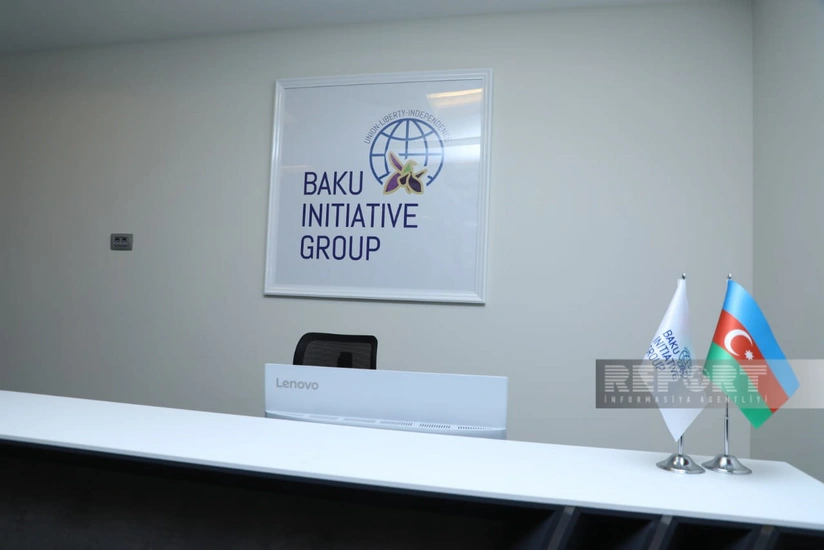
BAKU ( WNAM MONITORING): On January 16, for the first time in Azerbaijan, an international conference dedicated to the Indian government’s repressive policies against ethnic minorities will be held, organized by the Baku Initiative Group (BIG).
The event is titled Racism and Violence Against Sikhs and Other National Minorities in India: Current Realities.
The conference will feature Ramesh Singh Arora, Minister for Human Rights and Minorities in Pakistan’s Punjab, other officials, prominent representatives of the Sikh community from Canada, the UK, and the US, as well as think tank leaders, academics specializing in human rights and ethnic minorities, and individuals who have been direct victims of India’s repressive and discriminatory policies.
Discussions will focus on the Indian government’s systemic racial discrimination, violence, and repression against Sikhs and other minorities, including violations of obligations under international treaties such as the UN’s International Covenant on Civil and Political Rights, the International Convention on the Elimination of All Forms of Racial Discrimination, and the Convention Against Torture. The conference will also address the need to keep these issues on the agenda of international organizations, adopt relevant decisions, investigate extrajudicial executions, and document human rights violations through UN special rapporteurs.
The role of international and local NGOs and academic circles will also be discussed, particularly how their reports, legal opinions, and recommendations can influence global decision-making mechanisms.
Sikhism, founded in the 15th century, promotes equality regardless of caste, gender, or language, and firmly rejects the traditional Hindu caste system. The Sikh population in India exceeds 25 million, primarily concentrated in the Punjab state, the country’s main agricultural region.
Reports submitted to international organizations by NGOs and independent experts note that in 1984 alone, between 8,000 and 17,000 Sikhs were killed during armed raids and repressive policies by Indian law enforcement, while more than 50,000 fled abroad. In the 1980s–1990s, thousands of Sikhs in Punjab were abducted or killed without trial under fabricated charges. Today, Sikh activists demanding their rights are arrested on accusations of “separatism” or “espionage,” while police raids in Punjab continue. Sikh activists abroad have also been targeted in terrorist attacks, with Canadian and US authorities accusing Indian intelligence services of involvement.
Most of the displaced Sikh community now resides in Canada, the UK, the US, and Australia, where they continue to demand justice against ongoing political repression in India.
The Sikh community calls on the Indian government to officially recognize the 1984 anti-Sikh massacres as genocide, establish an independent commission of inquiry, prosecute organizers of the atrocities, clarify the fate of thousands of forcibly disappeared persons in Punjab during the 1980s–1990s, release unlawfully detained Sikh activists, and grant them political prisoner status. They also demand greater autonomy for Punjab, an end to central government interference, cessation of transnational repression against Sikh activists abroad, permission for international investigations, an official apology from the Indian government, and compensation for victims.