
The author
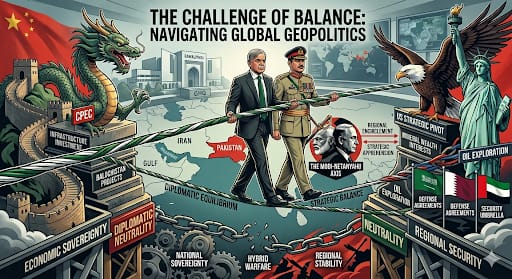
Maintaining equilibrium in diplomatic and strategic relations requires more than just intent; it demands profound skill, experience, and foresight. Currently, Pakistan stands at a critical crossroads, facing the formidable task of balancing its ties between two global titans: China and the United States.
China remains a steadfast partner, having invested heavily in Pakistan’s infrastructure, particularly through the China-Pakistan Economic Corridor (CPEC) and developmental projects in Balochistan.
Conversely, the recent shift in US policy toward Pakistan—marked by a renewed interest in Balochistan’s mineral wealth and oil exploration—suggests a strategic pivot. While this “honeymoon period” offers immediate diplomatic breathing room, history suggests it may come with strings attached. Pakistan must prepare for the moment these conditions become visible, ensuring that national sovereignty isn’t compromised as it has been in past cycles of engagement and estrangement.
To safeguard its future, Pakistan must remain vigilant by prioritizing national interest above all. This involves a sophisticated multi-alignment strategy by sustaining core ties and protecting the “iron-clad” friendship with China and strengthening relations with Russia and Iran, especially as they navigate their own complex dynamics with the West.
On the other hand, Pakistan must consider how the US intends to reconcile its engagement with Pakistan while maintaining deep strategic and economic bonds with India and Israel—both of whom view Pakistan’s strategic capabilities with apprehension.
The recent defence agreement with Saudi Arabia is a significant tactical victory. The potential for similar pacts with other countries with Pakistan is bolstering its security umbrella. However, a cautious approach is necessary, while the prospect of leading the Islamic world is prestigious, Pakistan must remember the era of Zulfikar Ali Bhutto (ZAB). The tragic fates of many leaders who sought to unify the Islamic bloc serve as a sombre reminder of the risks involved in such high-profile leadership.
The Modi-Netanyahu Axis is alarming. But the defence pact with Saudi Arabia has also predictably raised alarms in New Delhi and Tel Aviv. Narendra Modi and Benjamin Netanyahu often appear as two sides of the same coin, sharing a common strategic agenda. Pakistan must stay alert to their combined maneuvers, ensuring that regional stability is not undermined by their shared interests.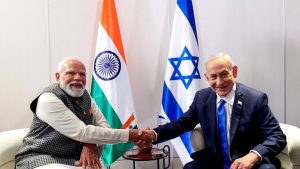
Key Recommendations for the Future:
1. Focus Area Strategy:
Economic Sovereignty Ensure that foreign investments in Balochistan’s minerals benefit the local population and national exchequer.
2. Diplomatic Neutrality Avoid being forced into a “bloc mentality” between the East and West.
3. Monitor the “Modi-Netanyahu” axis closely to preempt any hybrid warfare or strategic encirclement.
(Opinions expressed in this article are the author’s own and do not necessarily reflect WNAM ‘s editorial policy)