
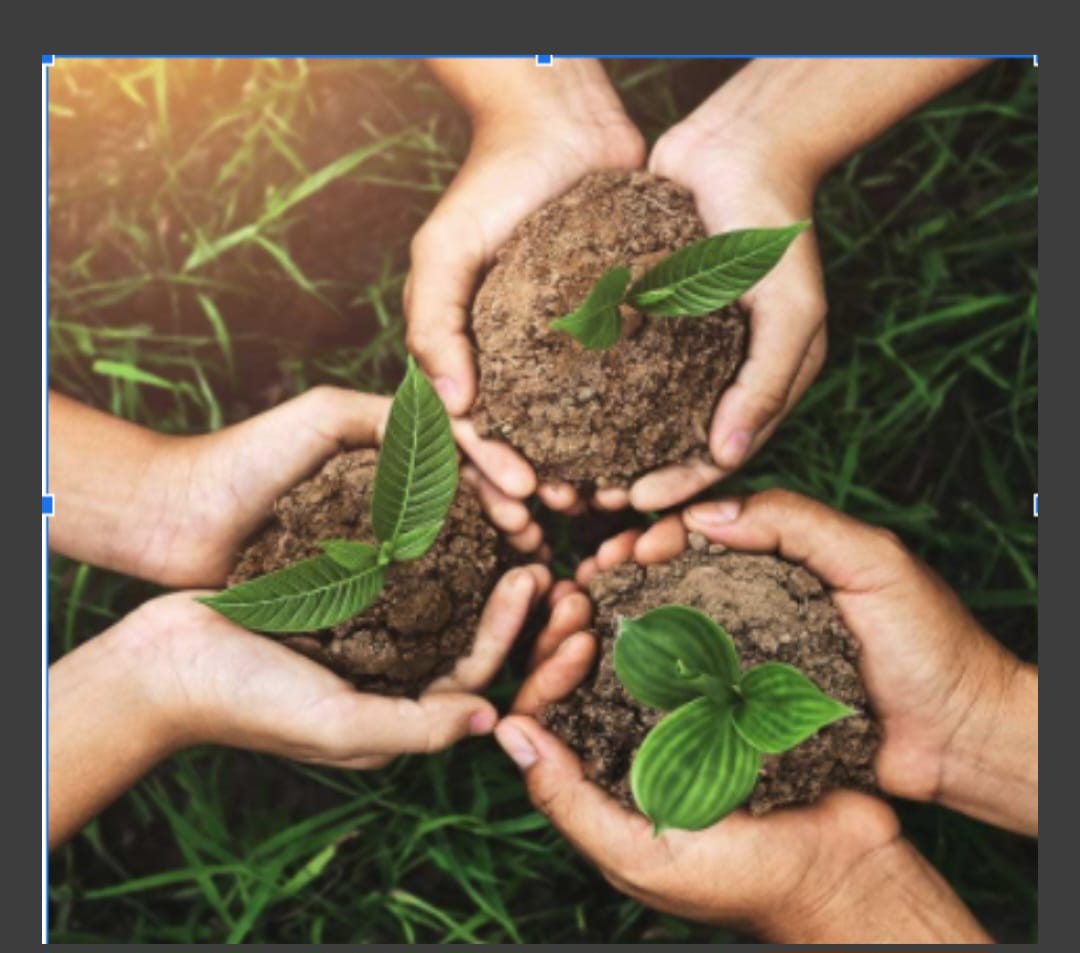
Climate literacy is often defined as the ability to understand climate science, recognize its impacts, and make informed decisions for mitigation and adaptation. However, in practice, climate literacy is never purely scientific. People interpret climate change through their lived experiences, cultural beliefs, religious values, language, and community traditions. Therefore, climate literacy in an intercultural context means understanding climate change while also recognizing that climate knowledge is shaped by culture and that climate communication must be sensitive to diverse social realities. Pakistan presents a strong example of why intercultural climate literacy is essential for effective climate action.
Pakistan is among the countries most vulnerable to climate change, facing increasing floods, heatwaves, glacier melting, droughts, and unpredictable monsoon patterns. The devastating 2022 floods affected millions, displaced communities, and created long-term health and livelihood challenges. Scientifically, these disasters are linked to rising global temperatures, extreme rainfall events, and environmental degradation. Yet within Pakistan, climate events are interpreted differently depending on region, socioeconomic conditions, and cultural worldview. For instance, in many rural communities, extreme weather is often understood through religious and moral narratives, such as considering floods or droughts as trials from God or consequences of social wrongdoing. Such interpretations do not necessarily reject science, but they influence how communities emotionally respond and what solutions they consider meaningful.
Beenish Safeer
An intercultural approach to climate literacy in Pakistan must therefore integrate scientific knowledge with local cultural understanding. In Punjab or Sindh, farmers may notice changes in crop cycles, water availability, and pest patterns long before they hear the term “climate change.” Their practical knowledge is often transferred across generations forms an important part of climate literacy. Similarly, indigenous and mountain communities in Gilgit-Baltistan understand glacier behavior, local snowfall trends, and risks of glacial lake outburst floods through lived observation. These knowledge systems must be respected and included in climate education, rather than replaced by outsider narratives.
Climate literacy also depends on language and communication. Climate information is often communicated in English, technical Urdu, or policy-heavy messaging, which can exclude many communities. Intercultural climate literacy requires framing messages in culturally accessible ways using local languages, storytelling traditions, and trusted community voices. For example, religious leaders, teachers, and local elders can communicate adaptation and environmental stewardship effectively when climate narratives are connected with ethical teachings such as protection of nature, responsible resource use, and caring for vulnerable populations.
Furthermore, intercultural climate literacy must include the dimension of climate justice. Pakistan contributes a small fraction to global emissions, yet suffers disproportionately from climate disasters. Climate education should help communities understand global inequalities, policy responsibilities, and their rights to climate support. When citizens become climate literate in this broader way, they are more empowered to demand fair policies, resilient infrastructure, and sustainable development.
In conclusion, climate literacy in an intercultural context is not only about knowing climate science, but also about understanding climate change through diverse cultural lenses. Pakistan’s climate vulnerability demonstrates that successful climate communication and action require linking scientific information with local experience, language, values, and social realities. Only then can climate literacy lead to collective, inclusive, and effective climate resilience.
(The author is Research Assistant in Eco-Health Research Group, led by Prof Audil Rashid at University of Gujrat. She can be contacted at: [email protected] )