
WNAM REPORT: Former Pakistani diplomat and former president of Azad Kashmir, Sardar Masood Khan on Friday cautioned that the evolving confrontation between the United States and Iran is entering a dangerously volatile phase, marked by military posturing, economic pressure, and strategic signaling from multiple global actors.
In a statement, Khan observed that while both Washington and Tehran are escalating pressure through military deployments and strong rhetoric, parallel efforts are underway to explore diplomatic off-ramps. “We are witnessing a dual-track approach—on one hand coercive strategies, and on the other, a search for a negotiated middle ground,” he stated.
Ambassador Khan underscored that Pakistan continues to play a pivotal and trusted role as a facilitator between the two sides. He noted that Pakistan’s engagement remains “consistent, discreet, and constructive,” with both parties recognizing its credibility as a neutral intermediary capable of bridging deep mistrust.
Referring to recent developments, he highlighted that U.S. military preparedness in the region, including deployment of aircraft carriers and amphibious forces, is aimed at exerting pressure rather than initiating full-scale war. “Even the United States does not appear to be seeking outright conflict, but rather leveraging military superiority to shape negotiation outcomes,” he added.
At the same time, he emphasized that Iran has demonstrated resilience despite sustained attacks and leadership losses. “Iran’s decentralized command structure and strategic depth have enabled it to maintain operational continuity,” he noted, while cautioning that vulnerabilities remain, particularly in critical infrastructure and economic stability.
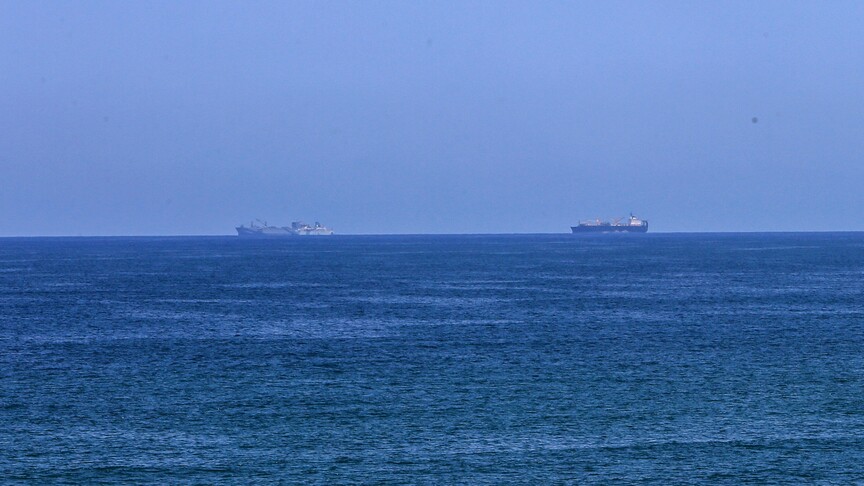
Khan warned that any targeted strikes on Iranian assets could trigger a broader regional response, including threats to Gulf energy installations, maritime routes, and international shipping. He pointed out that thousands of vessels and seafarers remain stranded, signaling an emerging humanitarian and economic crisis.
Highlighting the broader geopolitical implications, he said that global markets, including energy and stock exchanges, are already under strain, increasing pressure on all stakeholders to de-escalate. He also noted shifting regional alignments and the risk of fragmentation within the Muslim world.
On diplomacy, he stressed that progress lies in identifying a “lowest common denominator,” including simultaneous easing of blockades, phased sanctions relief, and deferring contentious issues such as the nuclear programme for structured negotiations.
“Neither side can afford a win-lose outcome. The current trajectory is leading toward a lose-lose situation for all,” he concluded, urging immediate, coordinated international efforts to stabilize the situation and revive meaningful dialogue.