
Facilitating an easing of tensions between the United States and Iran positions Pakistan to unlock substantial, transformative geoeconomic and strategic dividends. By acting as a diplomatic bridge, Pakistan can pivot from a state balancing competing external pressures to a central hub of regional connectivity.
The economic and strategic gains, specifically concerning the TAPI pipeline, formalizing energy imports, and utilizing non-dollar settlement mechanisms, are extensive.

The Author
Turkmenistan-Afghanistan-Pakistan- India (TAPI) pipeline does not physically traverse Iranian territory. Its completion has historically been hostage to the broader regional security matrix and financing freezes driven by geopolitical instability.
The primary obstacle for TAPI has been securing long-term international capital and institutional backing (such as from the Asian Development Bank). A US-Iran detente significantly lowers the political risk premium of the entire South-Central Asian corridor, encouraging Western and global financial institutions to back major trans-regional energy infrastructure.
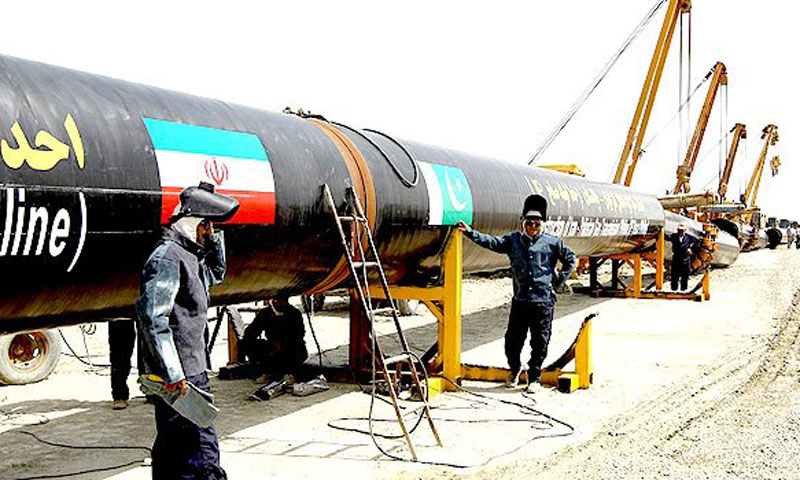
Historically, Washington viewed the Iran-Pakistan (IP) gas pipeline as a direct competitor to TAPI, heavily favouring the latter to isolate Tehran. A diplomatic breakthrough allows Pakistan to pursue a dual-pronged energy strategy, maintaining TAPI as a primary line for Turkmen gas while safely exploring options for the IP pipeline without the looming threat of US structural sanctions.
It is high time to formalise the oil & gas imports via barter and local currency.
A major windfall of a successful mediation is the transition of cross-border energy trade from a restricted, highly monitored, or informal grey market into an institutionalized economic pipeline.
Pakistan and Iran have already established basic frameworks for business-to-business (B2B) barter trade (under updated Statutory Regulatory Orders). However, Pakistani banks and large state enterprises have remained deeply hesitant to utilize them due to fear of “material support” designations by the US Treasury. A diplomatic thaw provides the necessary legal protection to scale up this mechanism. Pakistan can directly swap its agricultural surplus (meeting up to 60% of Iran’s meat import needs, alongside rice and mangoes) and textiles for Iranian crude, LPG, and petrochemicals. Another option is theLocal Currency Settlement Mechanisms (LCSM) by settling trade balances in Pakistani Rupees (PKR) and Iranian Rial or through a cleared clearinghouse mechanism, Pakistan can significantly preserve its foreign exchange reserves. Importing energy without relying on the clearing of US dollars offers immediate relief to Pakistan’s balance of payments.
Formalizing this trade sanitizes the informal petroleum trade in Balochistan, bringing it into the documented tax net, standardizing fuel quality, and generating regular customs revenues through official border crossings.
Beyond energy, achieving a stable equilibrium between Washington and Tehran dramatically alters Pakistan’s strategic manoeuvring space.
Pakistan has historically been caught in a zero-sum squeeze between its vital strategic partnership with the US/GCC and its geographic reality, sharing a border with Iran. Acting as the facilitator removes the risk of being forced to choose sides or suffering collateral economic damage from external maximum-pressure campaigns.
A normalized Iran allows Pakistan to maximize the potential of its western transit corridors. Pakistani ports can secure long-term, legitimate transhipment contracts to move international goods across the border into Iran and onward to Central Asia, turning a legal grey zone into an active, lucrative revenue stream
The diplomatic alignment creates a collaborative atmosphere to address border security and cross-border militancy in the restive Balochistan-Sistan region. When economic stakes are high and mutually tied to infrastructure protection, both sides have a vested financial interest in stabilizing the shared border. It is time for action first and discussion later.
(Opinions expressed in this article are the author’s own and do not necessarily reflect the editorial policy of WNAM)