WNAM REPORT: Türkiye’s customs union with the EU gives it a significant competitive edge over Chinese automakers seeking to enter the European market without facing heavy import tariffs, Polish automotive executives said during the two-day New Mobility Congress in southern Poland.
Bartosz Mielecki, executive director of the Polish Automotive Group (PGM), said that while the two countries began developing their auto sectors at the same time in the 1970s, Türkiye ultimately established its own brand while Poland focused on becoming a leading European component maker.
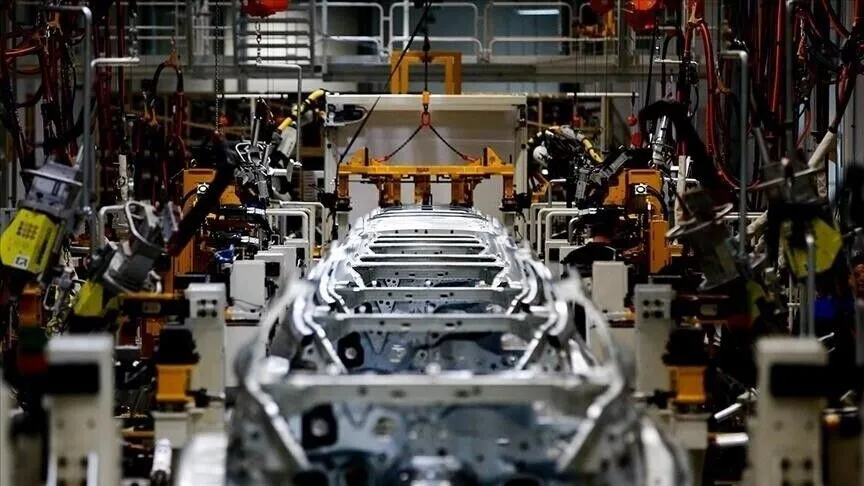
He noted that the Polish auto industry produced goods worth €52 billion ($59.3 billion) in 2025, while parts and components made up half of the output and exports exceeded 75%.
Domestic vehicle sales in Poland reached 463,000 units in January-August, up 10% year-on-year and above the EU average.
He said Chinese automakers doubled their Polish market share from 6% to 13% over the past year, while European import tariffs will benefit tariff-exempt Turkish vehicles as regional suppliers face rising energy costs and income pressures.
Mielecki said that while Türkiye’s market-leading EV brand Togg began mass production in 2022 and entered Europe last year, Poland’s own Izera initiative transitioned to a joint venture model in late 2024 after a decade of development, highlighting the different national strategies of the two countries.
Aleksander Rajch, a board member of the New Mobility Association (PSNM), said work is underway to expand this electric and hydrogen mobility ecosystem to include the aviation and maritime sectors.
Rajch noted that EV registrations in Poland surged 240-fold since 2016, bringing the total number of EVs in the country’s fleet to 152,000 units.
He added that properly implementing a comprehensive mobility strategy could add 5% to Poland’s overall gross domestic product (GDP) by 2035.